Understanding the Microsoft Agentic AI Stack
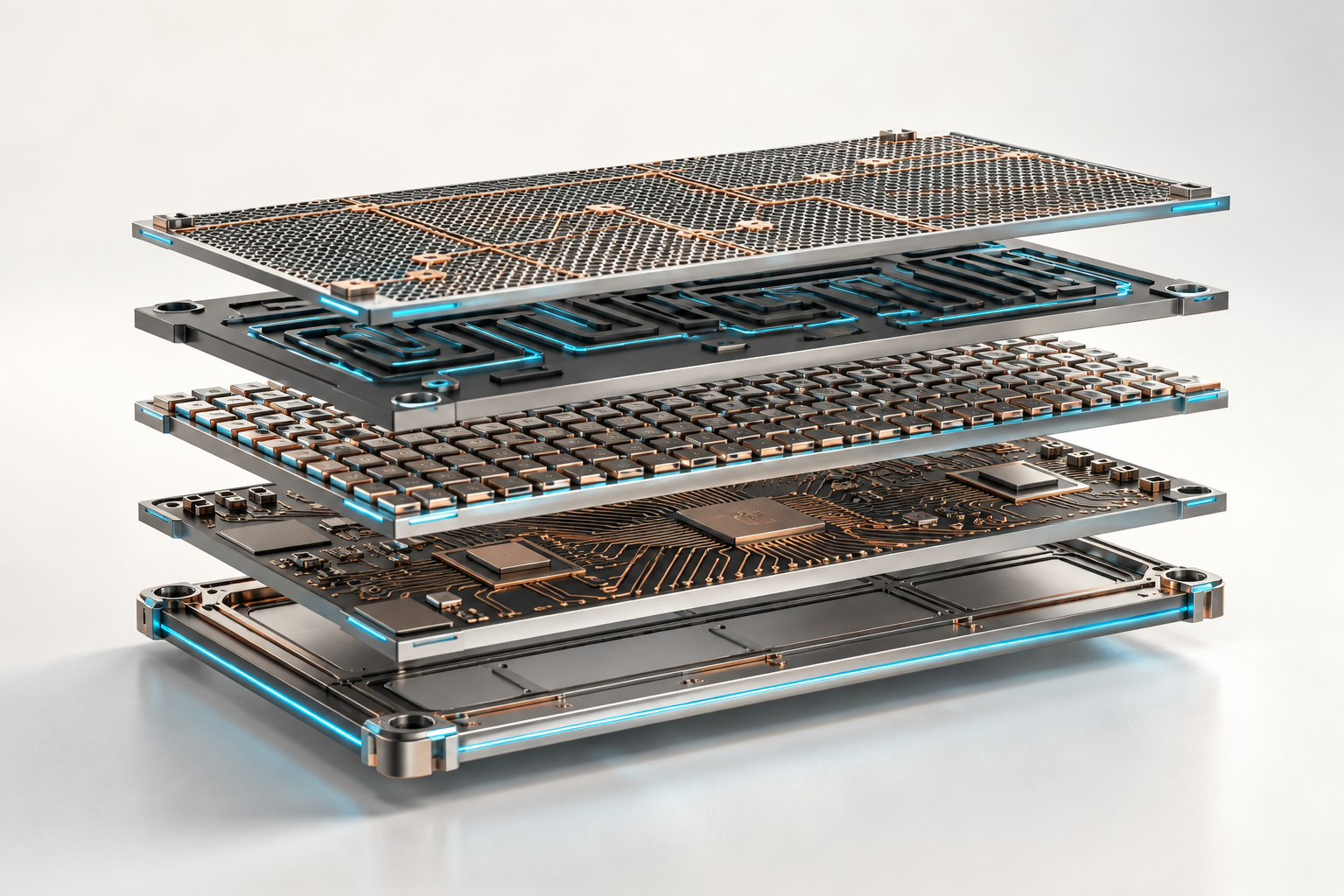
A buyer's map of the five capabilities every enterprise agent needs, the Microsoft product behind each one, and the controls that surround them.
Read the guide
Practical guides to Microsoft Fabric, agentic AI, and the engineering that makes them work.
A buyer's map of the five capabilities every enterprise agent needs, the Microsoft product behind each one, and the controls that surround them.
Read the guideHow Fabric Apps lets teams build business applications in Microsoft Fabric that keep their own records, read governed data, control access and let agents propose changes.
How to adopt Microsoft Fabric one business decision at a time by choosing a first use case, piloting reporting and AI together, proving the numbers and expanding on evidence.
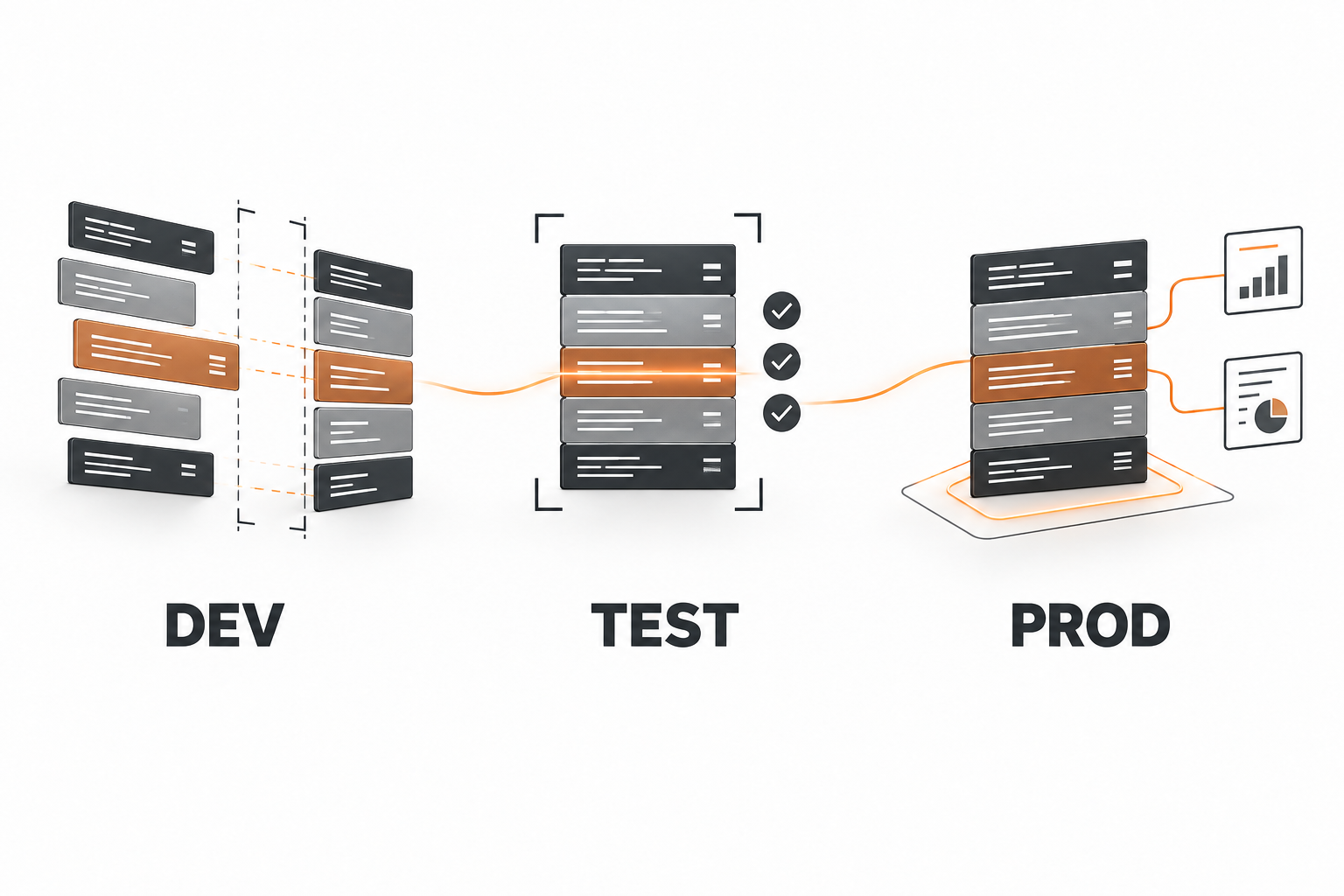
How Fabric Git integration, deployment pipelines, deployment plans and Azure DevOps move Fabric changes to production, and which settings, connections and checks each release still needs.
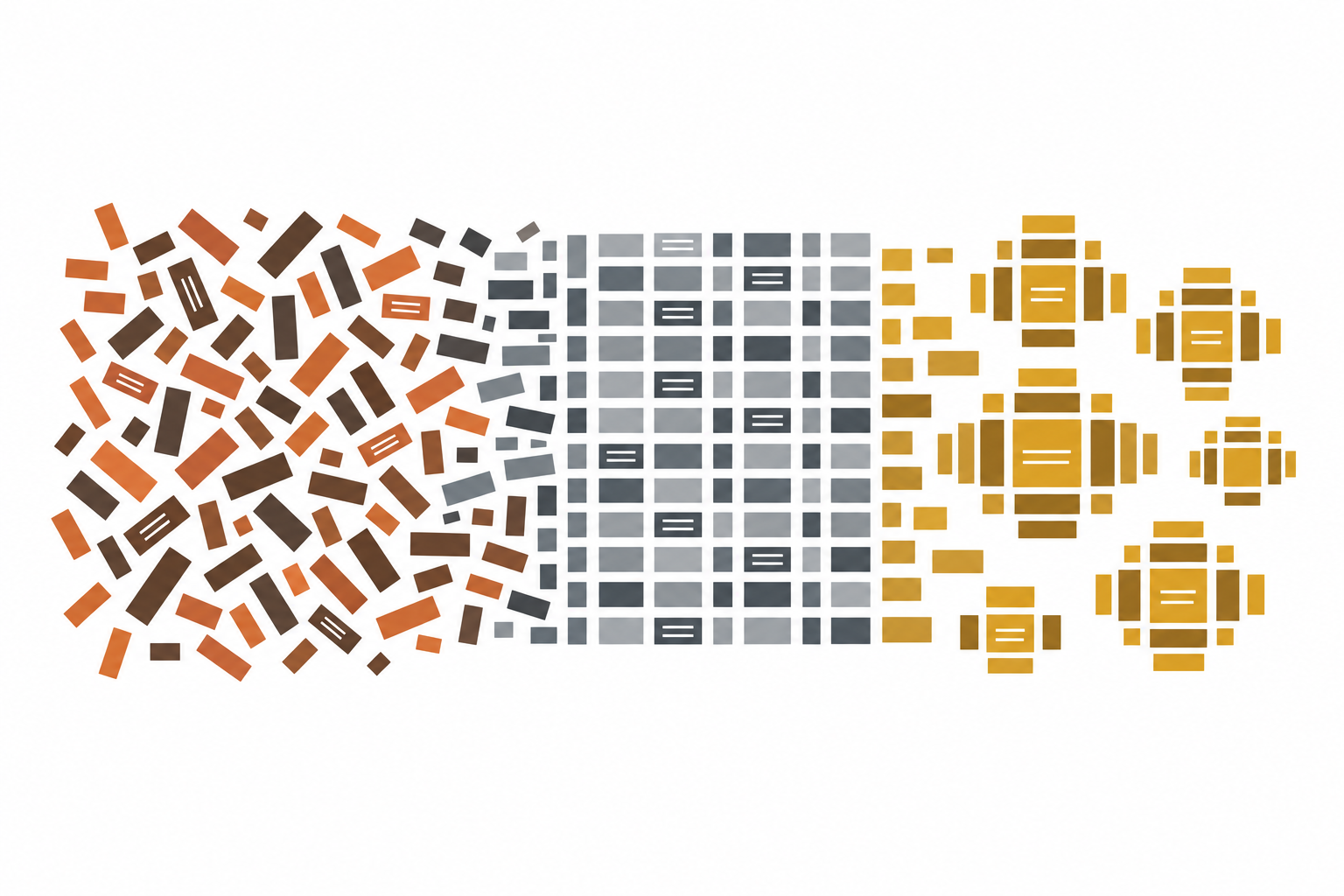
What Fabric's bronze, silver and gold layers, a semantic model and an optional ontology each contribute, so that an agent's answers rest on traceable records and approved definitions.
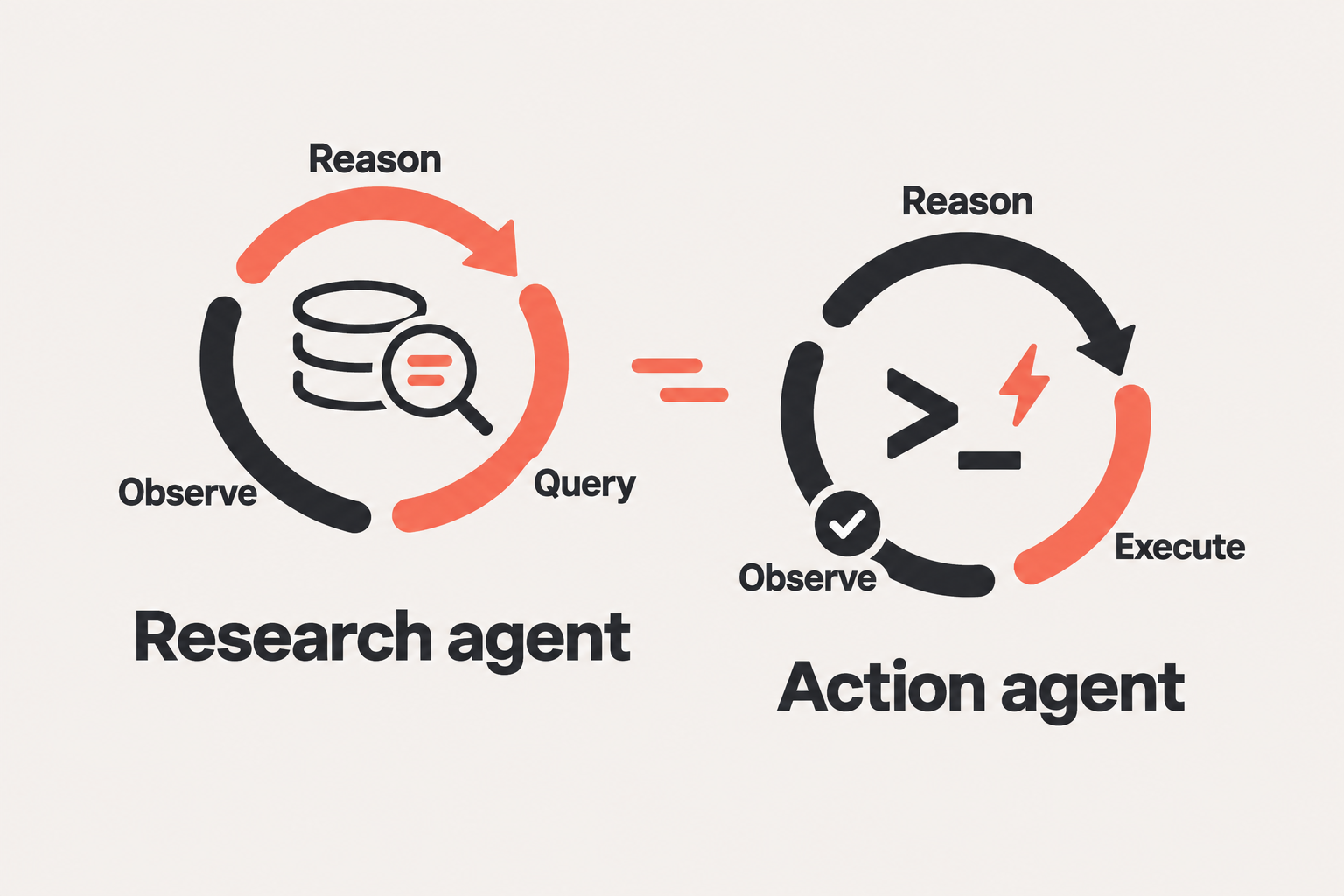
How Microsoft Foundry runs agents that start without a prompt, and which decisions about identity, tools, recovery and verification remain with your team.
What Fabric's preview Operations Agent for Pipelines watches, how it explains failures and recommends checks, and why corrective action stays with people.
The five ways people can ask questions of Power BI and Fabric data, what answers the question on each route, and what controls data scope and answer quality.
The three ways AI coding agents can change Power BI semantic models and reports, what each approach can and cannot do, and where human review still decides.
How Work IQ, Fabric IQ, Foundry IQ and Web IQ supply four different kinds of context to agents, how agents reach each one, and why context is not the same as permission.
How Microsoft Foundry tests agents before release and monitors them in production, and which definitions of success and release decisions remain with the business.
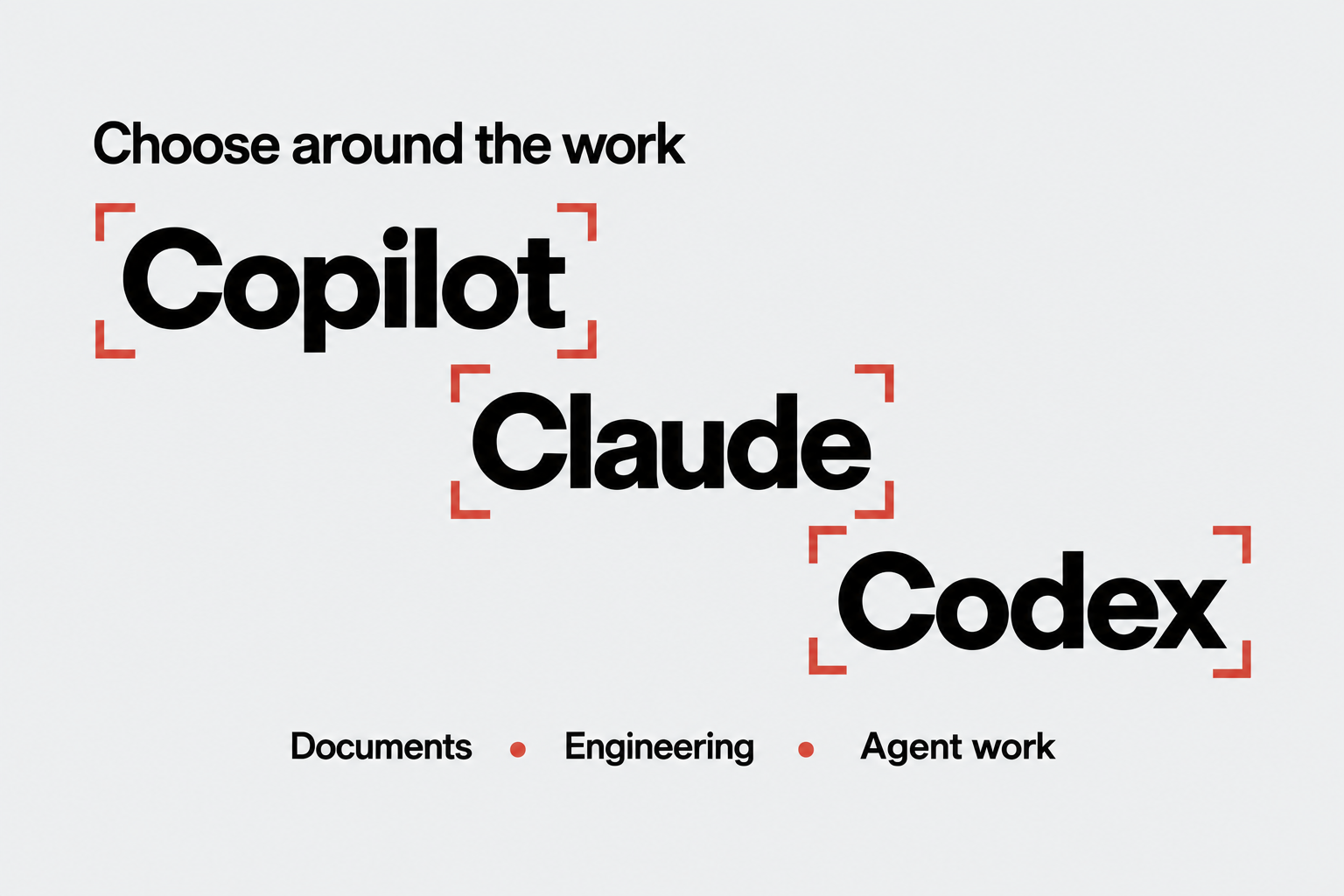
Why a Microsoft foundation does not lock you into Copilot, and how to choose the employee experience, agent harness, model and data connections as separate decisions.
How coding agents, and Fabric's own data engineering agent, change Fabric pipelines, notebooks and other items, and what evidence makes each change safe to release.
Which Microsoft product governs which part of an agent's life, from identity and data access to testing and runtime protection, and which release decisions stay with the application owner.